How to Choose a Safe Scuba Diving Operator in Playa del Carmen
How to Choose a Safe Scuba Diving Operator in Playa del Carmen
If you’re planning scuba diving in Playa del Carmen, don’t book the first result that comes up online without knowing what questions to ask. After 20 years of running dives here, I’ve seen the pattern repeat itself constantly. Someone shows up excited, books with a random operator, ends up in a group of twelve people with a guide who doesn’t speak their language, and leaves wondering why everyone raves about diving in the Riviera Maya. The diving itself is extraordinary. The difference is who you dive with and how well you planned the trip. This article gives you the framework to get that right: the right dive type for your certification level, the sites worth your time, the seasons that match your goals, and the specific things that separate a professional operation from a mediocre one.
Scuba diving Playa del Carmen: the four main ways to dive
Before you start comparing prices or reading reviews, the first decision is simpler than it sounds. What kind of diving do you actually want to do? There are four main categories here, and they’re distinct enough that choosing the wrong one means missing what the area does best.
Reef and drift dives along the Caribbean coast
Drift diving is the dominant style for scuba diving in Playa del Carmen. Warm water, visibility that routinely runs 15 to 30 meters, and currents that move you along coral walls without much effort from you. Most sites are just minutes from shore, which keeps the logistics simple and the bottom time generous. Depths range from about 9 meters at beginner-friendly spots to 30 meters at the more advanced sites, so both new and experienced divers can find something suitable on the local reef system.
Cenote diving and what it’s actually like
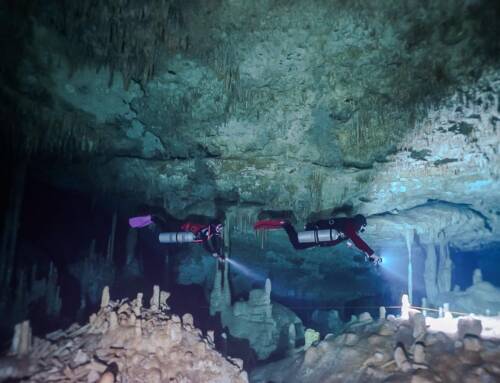
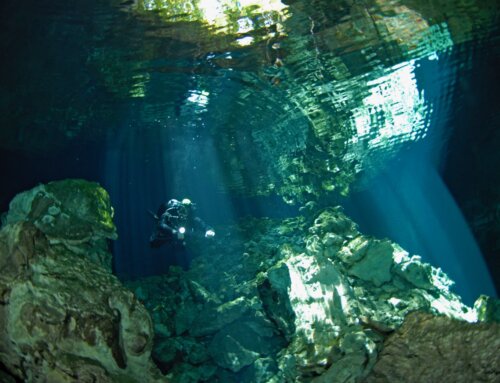
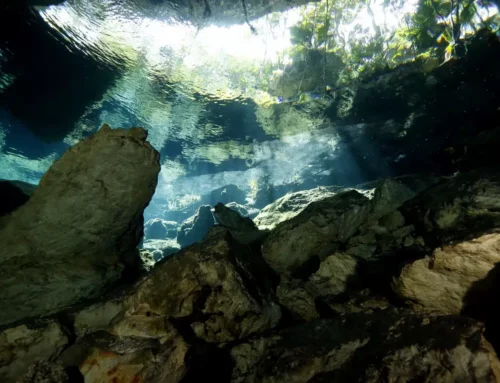
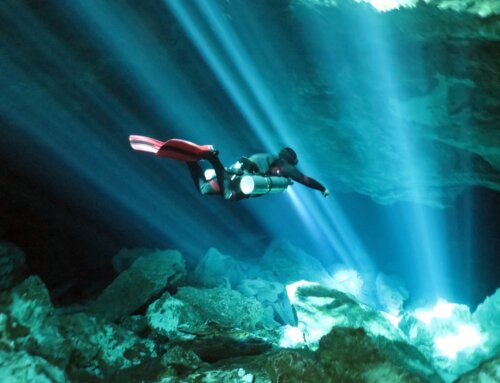
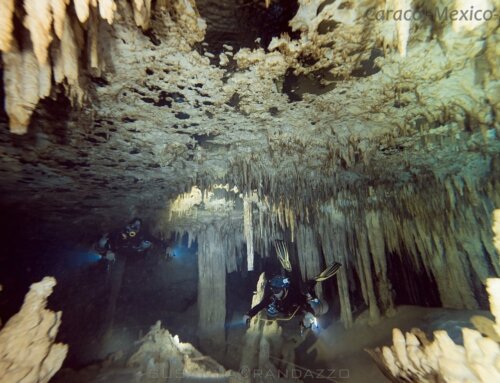
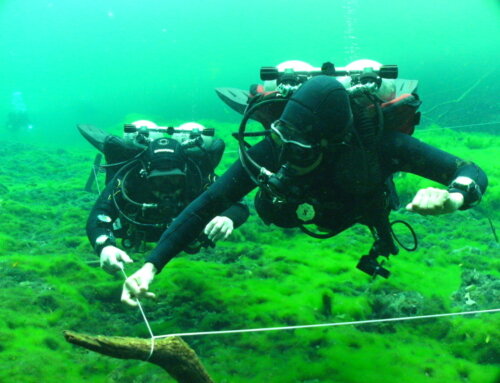
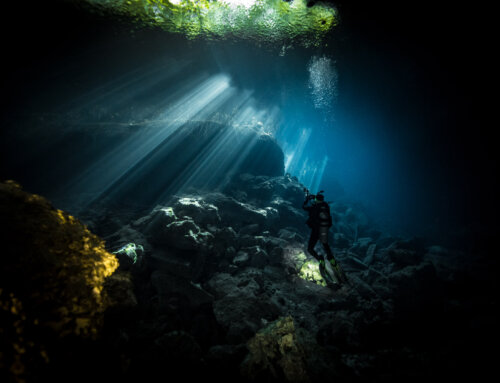
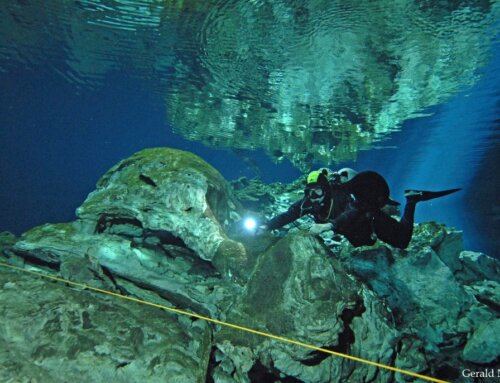
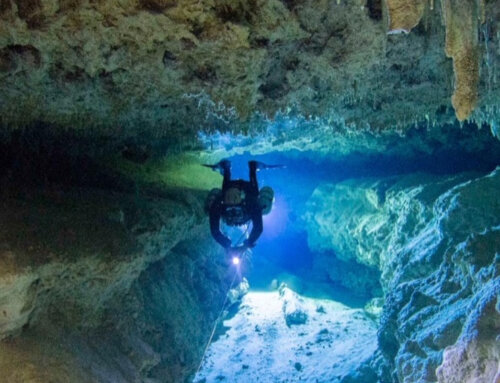
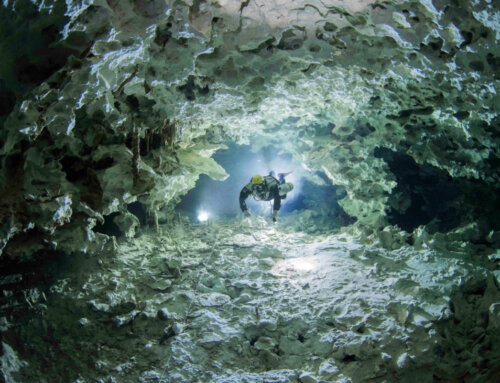
Cenotes are freshwater-filled limestone sinkholes connected by a huge underground river system, and diving them is genuinely unlike anything in the ocean. The visibility is extraordinary, the light shafts at certain hours of the day border on surreal, and the silence inside a cavern feels completely removed from the reef world above. Cavern dives, the most accessible option, stay within the natural light zone and suit Open Water certified divers. Full cave diving is a different category entirely: it requires technical training and specialty certification, and it’s not the same experience as a guided cavern tour. Know which one you’re booking.
Seasonal wildlife encounters worth planning around
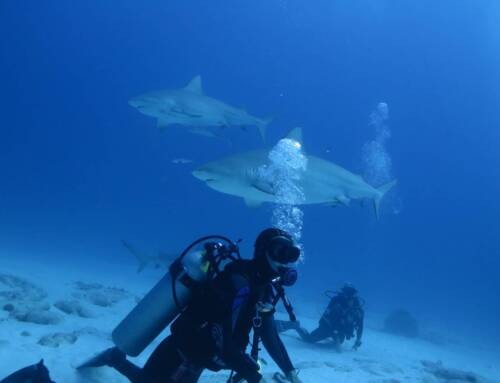
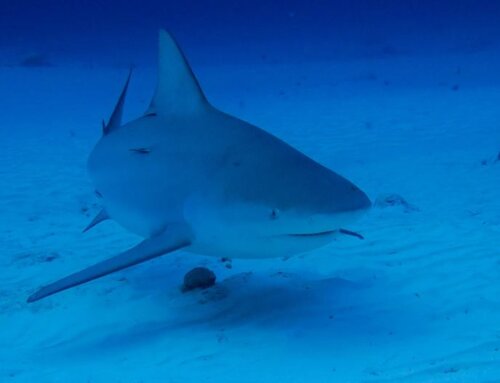
Two seasonal experiences drive a meaningful portion of dive travel to this region. Bull shark dives run from mid-November through February, and whale shark snorkeling runs roughly June through September near Isla Mujeres. They’re distinct in timing, location, and what they require from the diver. If either one is your primary reason for visiting, your trip dates and certification level need to match the window. More on both below.
Playa del Carmen dive sites locals actually recommend
Knowing the site names is one thing. Knowing which ones are right for your level is what actually matters. Here’s an honest breakdown.
Where beginners and casual divers should start
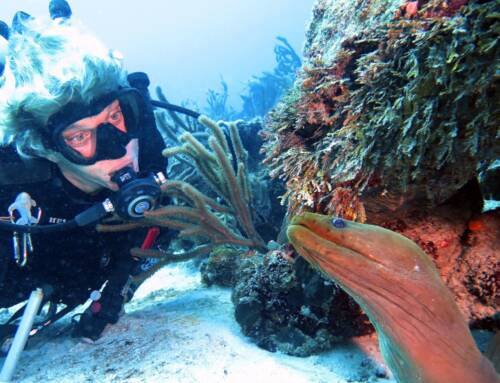
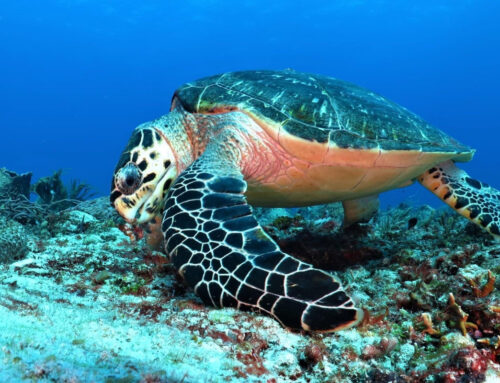
Jardines, known as The Gardens, sits at around 9 to 12 meters with gentle currents and consistently excellent visibility. The coral gardens here are colorful and active. Expect moray eels, trumpetfish, lobsters, garden eels, and scorpionfish as common sightings. It’s an ideal first drift dive for anyone just getting comfortable. Moch Che shallow is another strong choice, running about 12 to 14 meters ,nurse sharks, and barracuda fill in the rest of the frame. Both sites are forgiving and visually rewarding without demanding anything beyond Open Water certification.
Sites for intermediate and advanced certified divers
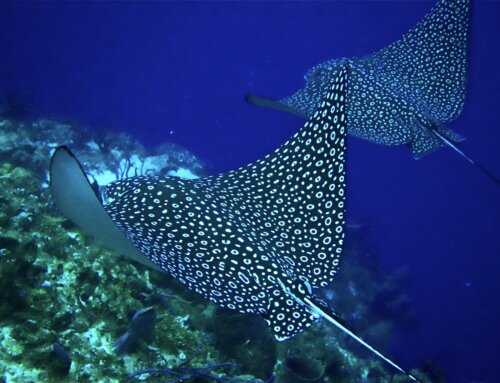
Mama Viña is Playa del Carmen’s signature wreck, sitting at 25 to 30 meters with strong currents and dense schools of barracuda circling the structure. It’s an intermediate to advanced dive, not because it’s technically difficult, but because the depth and current leave little room for inexperience. Moc-Che Deep reaches about 30 meters and is one of the better spots for eagle rays, turtles, and bull sharks in season. Pared Verde is a wall dive at a similar depth with stronger relief and occasional pelagic encounters. These are not dives to attempt if you haven’t been in the water recently, regardless of what your certification card says.
When to go and what you’ll find underwater each season
There’s no bad time to dive here, but knowing your target experience changes when you should book.
How to evaluate a scuba diving operator in Playa del Carmen before you book
This is where most travelers skip steps they shouldn’t skip. The questions below take about five minutes to ask and will tell you almost everything you need to know about an operator.
The questions to ask before you pay a deposit
Ask these directly, before you hand over any money:
• What is your maximum group size per guide?
• What certification do you require for bull shark dives, and do you accept Open Water with logged dives?
• Is equipment included in the price, or rented separately?
• Who will be my guide, and what is their specialty and experience level?
A professional operator answers these without hesitation. A mediocre one deflects, gives vague answers, or tells you not to worry about it. How an operator responds to specific questions before you book is a preview of how they’ll handle things in the water.
Why Pluto Dive is worth a serious look
Once you know what to look for in a dive operator, the next step is finding one that meets those standards. That’s exactly what Pluto Dive is built around. We’ve been running dives in these waters for over 20 years. We keep groups small, we hold PADI certification from beginner through divemaster level, and our guides know the local sites, seasonal currents, and day-to-day conditions the way visiting staff at larger resort chains simply can’t. We run dedicated programs for bull shark dives, cenote dive, and technical cave diving, and we’re honest with every diver about whether a specific dive matches their experience level. Get in touch with our team directly to ask about availability and match your dates to the right program.
Certifications, costs, and what to bring
A few practical answers before you finalize your plans.
What level of certification you need for each dive type
Open Water certification covers reef dives, most cenote cavern dives, and whale shark tours. Advanced Open Water, or equivalent experience, is required or strongly recommended for bull shark dives and deeper sites like Mama Viña. Technical or cave diving certification is required for full cave exploration beyond the cavern zone: cavern certification is not a substitute. If you’re not yet certified, a PADI Open Water course in the Riviera Maya typically takes three to four days and costs between $450 and $560 USD depending on the center and what’s included in the package.
What to budget for your dives in 2026
Realistic price ranges from reputable Playa del Carmen scuba operators currently look like this:
• Two-tank reef dives: $79 to $132 USD
• Cenote double-tank days: $130 to $200+ USD
• Cozumel day trip dives: $110 to $230 USD, depending on whether the ferry is included
• Bull shark dives: $170
• Multi-day packages combining reef, cenote, and Cozumel dives: $229 to $449 USD
Multi-day packages consistently offer better value than booking each dive individually, and they give you backup flexibility if conditions push a specific dive day.
What to pack for reef dives vs. cenote dives
For both: your certification card, logbook, swimsuit, rash guard, and a towel. For cenote dives, operators typically supply primary lights, but bringing a personal backup light is worth doing. Buoyancy control matters more in an overhead environment, so a well-fitting wetsuit is worth confirming in advance. For open-water reef dives, a 3mm wetsuit handles most of the year given the water temperatures here. Most equipment, including BCDs, regulators, and wetsuits, is available for rent locally. The only items genuinely worth bringing from home are specialty pieces: a dive computer, a prescription mask, or any personal safety equipment you rely on regularly.
Making the call: how to book without second-guessing yourself
The decision framework comes down to four steps. Pick your dive type based on your certification and the season you’re traveling in. Choose your sites based on your actual experience level, not your optimistic estimate of it. Vet your operator on credentials and group size, and ask the direct questions listed above. Book early for anything involving bull sharks or peak-season weeks in December and January.
Scuba diving in Playa del Carmen is one of the more accessible underwater experiences in the world: warm, clear, and logistically manageable. But getting it right depends entirely on who you dive with. The operator shapes everything, from the sites you reach and the safety margin you have, to whether you surface already planning your next dive or wondering what all the fuss was about.
Ready to make it happen? Reach out to Pluto Dive directly. Tell us your dates, your certification level, and what you’re hoping to see. We’ll give you an honest answer about what’s possible and put together a program that actually fits your trip.