Best Scuba Diving Experiences in Playa del Carmen for Every Skill Level
The best scuba diving in Playa del Carmen depends on your certification level. Beginners should start with a Discover Scuba session or a PADI Open Water course on shallow reefs like Jardines or Moch Che shallow. Once you hold Open Water certification, add a guided cavern cenote such as Chikin Ha or Dos Ojos. Certified divers can combine drift reefs, cenotes and the seasonal bull shark dives. Divers who want to go beyond the daylight zone need formal cave certification.
At Pluto Dive, we’re a local center with more than 20 years of experience in the Riviera Maya. We run small groups and teach PADI courses from beginner to instructor level. That gives us a clear view of which experience fits which diver.
This guide covers how to match beginner scuba diving in Playa del Carmen and more advanced options to your skill level, which reefs and cenotes are worth your time, how certification works, when the wildlife shows up and how to vet a dive operator before you pay.
Key takeaways
- Start shallow: Jardines and Moch Che shallow are the easiest first reefs. Tajma Ha and Dos Ojos are good first cenotes once you are Open Water certified with good buoyancy.
- Pick your course: Discover Scuba suits a one-time try. Open Water suits anyone who wants to keep diving.
- Time your trip: November through April is the best overall window, and February offers the best balance of visibility and shark encounters.
- Respect the overhead rules: Guided cavern dives need a qualified guide, a continuous guideline and a dive plan within your training. Cave diving beyond the daylight zone needs cave training.
- Vet the operator: check guide credentials, group size, emergency oxygen and gear servicing.
Which scuba experience in Playa del Carmen fits your skill level?
Match the experience to the certification you hold today, not the one you plan to earn. The table below shows the best fit for each level. Requirements vary by operator, so confirm them before you book.
| Diver level | Best experience | Typical depth | What you need before booking |
|---|---|---|---|
| First-timer | Discover Scuba on a shallow reef or in an open cenote | Shallow, guided | No experience, plus a medical questionnaire |
| New Open Water diver | Reefs like Jardines and Moch Che shallow, plus Casa Cenote or Tajma Ha | About 9-14 m (30-50 ft) | Open Water certification and good buoyancy |
| Advanced Open Water diver | Moc-Che, Pared Verde, Mama Viña wreck, bull sharks | About 21-30 m (70-100 ft) | Advanced certification, recent dives and current skills |
| Technical and cave diver | Full cave routes | Depends on the route | Formal cave certification |
What beginners can realistically do
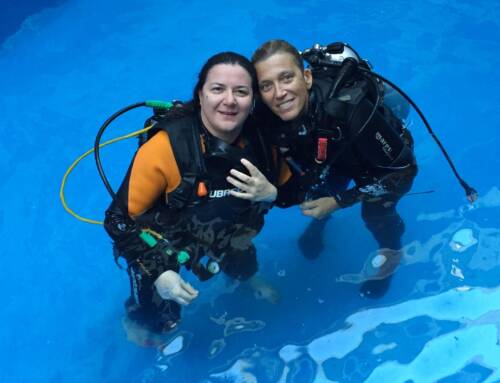
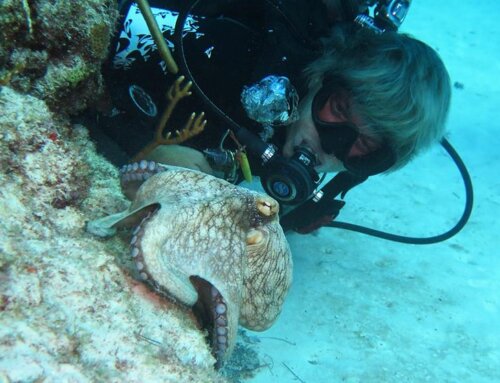
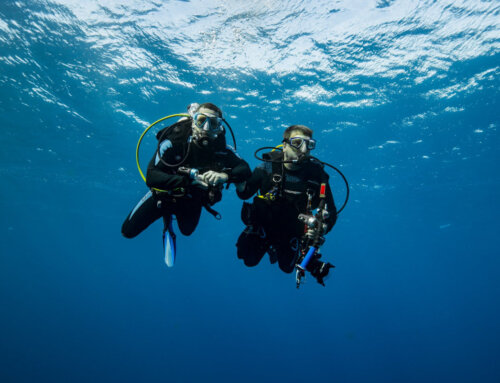
Discover Scuba is a one-day introduction with no certification. You get basic instruction and a shallow guided dive. PADI Open Water is the full certification. It lets adult divers go to about 18 m, and Junior Open Water divers may have additional depth restrictions.
A good beginner dive is shallow, has a low guide-to-diver ratio and starts with a real briefing. If the shop skips any of those, book somewhere else.
Where certified and technical divers step up
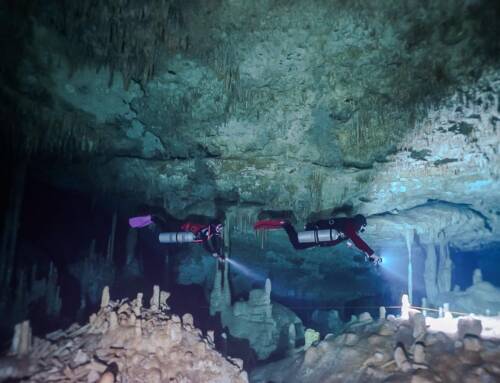
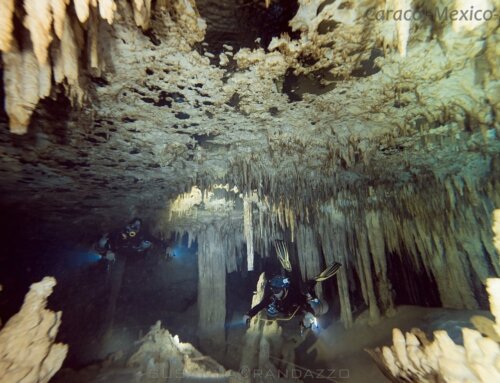
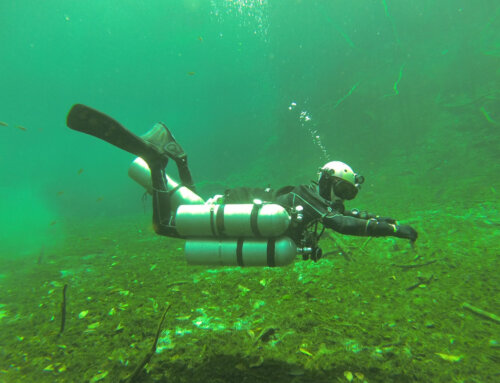
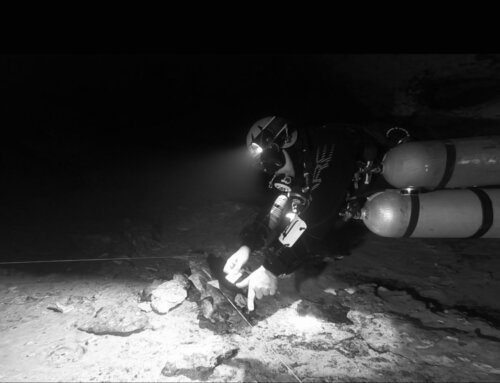
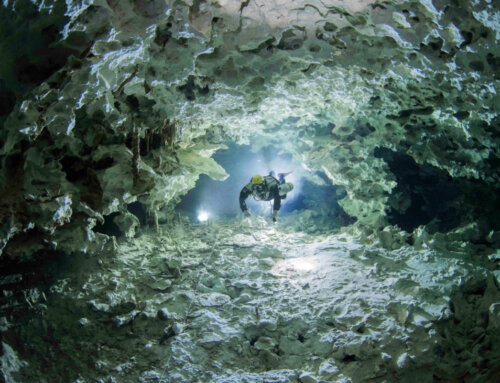
Certified divers can book guided one- or two-tank reef dives, cenotes and Cozumel day trips. Technical divers need to understand the difference between cavern and cave. A guided cavern dive stays within the daylight zone and needs a qualified cavern guide. Cave diving is different: anything past the daylight zone needs formal cave training.
If you already hold cave certification, we guide technical and cave dives for experienced divers.
Which reef dives and cenotes are actually worth your time?
Start with Jardines, Moch Che shallow and Tajma Ha or Dos Ojos, then add deeper sites as your certification grows. The reefs and the cenotes reward different kinds of divers, so plan to do both.
The reefs that suit most divers
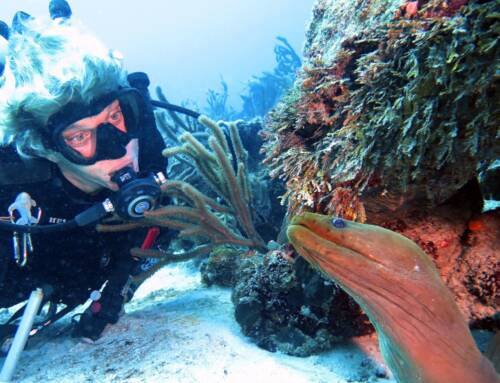
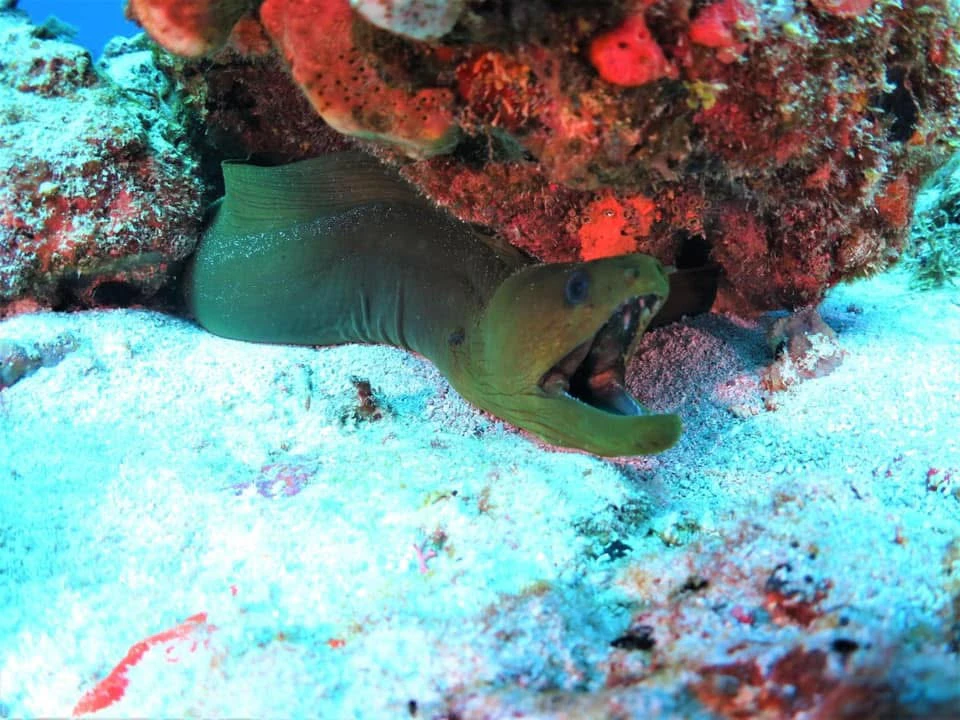
Jardines sits at roughly 9-12 m and Moc Che shallow at around 15 m. Both are easy drifts with all kind of fishes, which makes them the best first reefs. Barracuda and Sábalos are relaxed options for newly certified divers, though Barracuda can bring current, so operators vary on requirements.
Advanced divers get more depth. Moc-Che Deep runs about 21-27 m, the Pared Verde mini-wall sits at 27-30 m, and the Mama Viña wreck lies at about 30 m.
The cenotes, from easy to demanding
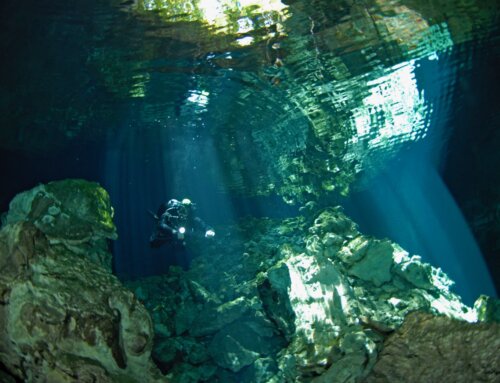
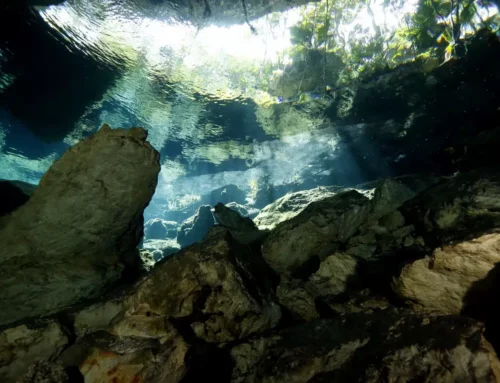
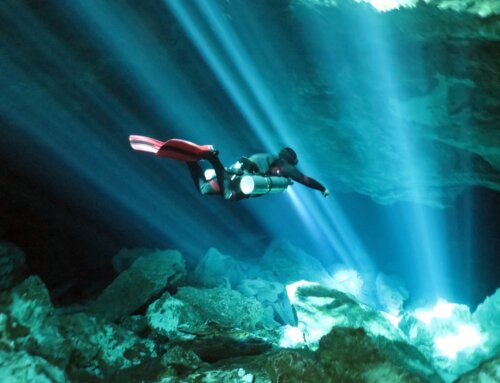
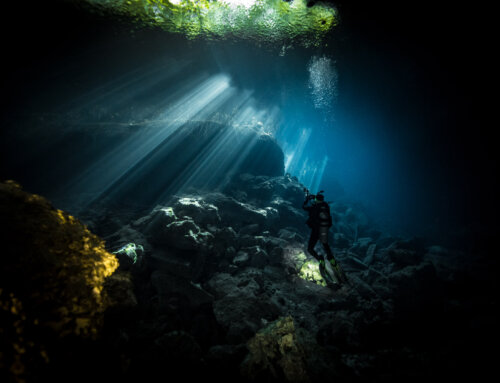
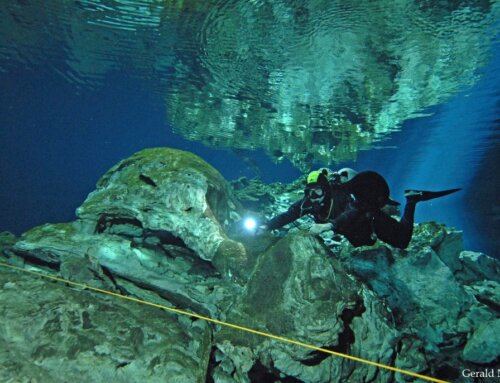
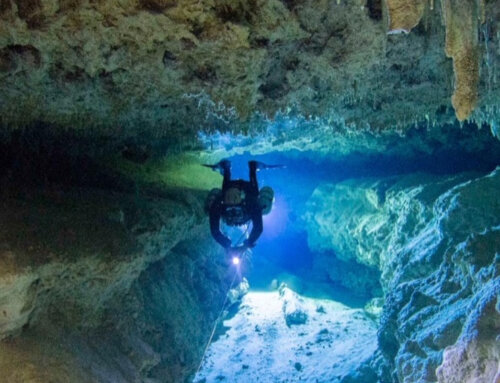
Casa Cenote is open and river-like at 5-8 m. Tajma Ha reaches about 14 m, with big chambers and light beams. It’s one of the better first cavern dives, but it requires Open Water certification and good buoyancy. Introductory open-cenote experiences are a separate, simpler option. Dos Ojos is iconic, but it needs good buoyancy and comfort in an overhead environment.
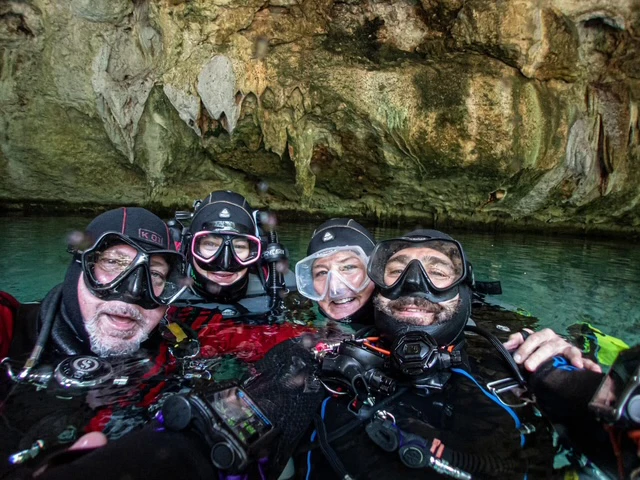
Angelita and The Pit are deep dives with a hydrogen sulfide layer, and they generally require Advanced Open Water or an equivalent deep-diving qualification and experience, subject to operator rules. Some operators accept a deep-diving specialty for Angelita. Dreamgate and Tajma Ha suit experienced cavern divers with excellent buoyancy, so ask the operator about the exact route.
The overhead-environment rules
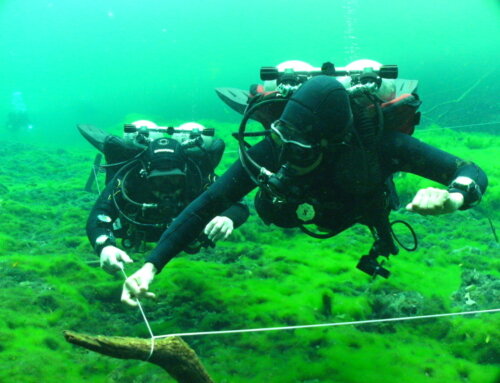
Seeing natural light does not mean the exit is always in view, so don’t treat it as your safety margin. Guided cavern dives rely on a qualified cavern guide, a continuous guideline, good visibility and a route that matches your training. Going beyond the daylight zone requires formal cave training. For more detail on individual sites, see our top dive sites guide.
How do you get certified for diving in Playa del Carmen?
Pick Discover Scuba or PADI Open Water, then follow the PADI path upward. The choice comes down to whether this is a one-time try or the start of a diving habit.
Discover Scuba or Open Water: which one should you pick?
Discover Scuba suits a one-time trip. You dive under direct instructor supervision, so you can’t book regular certified-diver dives afterward, and that includes guided cavern dives. Open Water suits anyone who wants to keep diving after the vacation, and the course usually runs three to four days.
On budget, a reef dive typically costs less than a cenote day, and certification typically costs more than either, though price ranges overlap. Prices vary with hotel pickup, gear rental, group size and whether cenote fees are included, so ask what’s covered.
What the PADI path looks like after your first dives
A common progression looks like this, though specialty courses can be taken at different stages, subject to their own prerequisites:
- Open Water Diver
- Advanced Open Water Diver
- Rescue Diver
- Specialties
- Professional levels, up to instructor
Playa del Carmen is a strong place to train because the reefs and cenotes give you real-world variety, which matters most for aspiring dive professionals.
What to confirm before you enroll
Check the medical questionnaire, the minimum age (generally 10, with Junior Open Water restrictions for ages 10-14) and how many days the course runs. Ask whether you can finish e-learning at home. Confirm what’s included: gear, cenote fees and the certification card.
Our PADI courses are taught in small groups by certified PADI instructors.
When is the best time to see bull sharks, whale sharks and turtles?
November through April is the best overall window, and February offers the best balance of visibility and shark encounters. Visibility often reaches 20-40 m and the water sits around 25-27°C, though visibility and weather can vary. Here is how the seasons break down:
- November to March: Bull sharks, with the most reliable encounters from December through February.
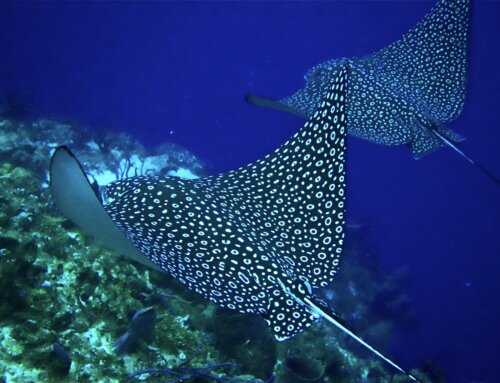
- December to March: Eagle rays and other winter pelagics.
- June to September: Whale sharks, on snorkeling trips toward Isla Mujeres or Holbox.
- June to October: Warmest water at 28-30°C, but more rain and occasional port closures.
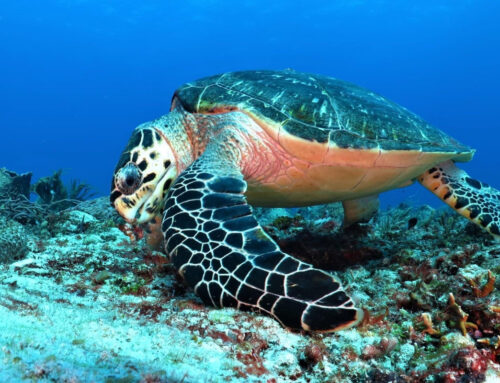
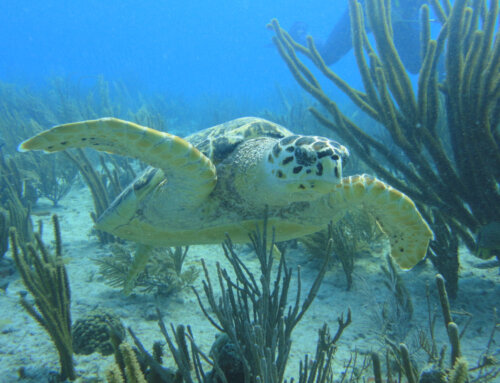
- Year-round: Turtles and reef fish. Cenote visibility is excellent in every month.
Bull shark season and what it takes to join
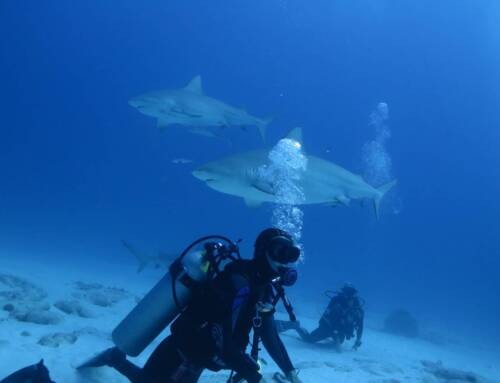
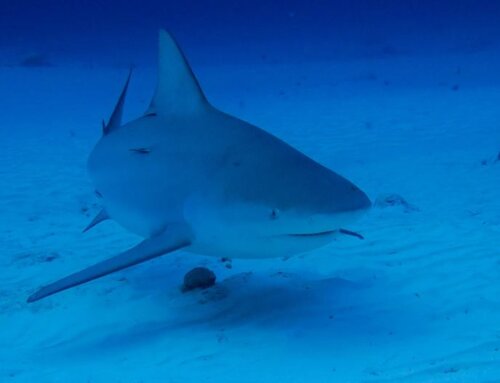
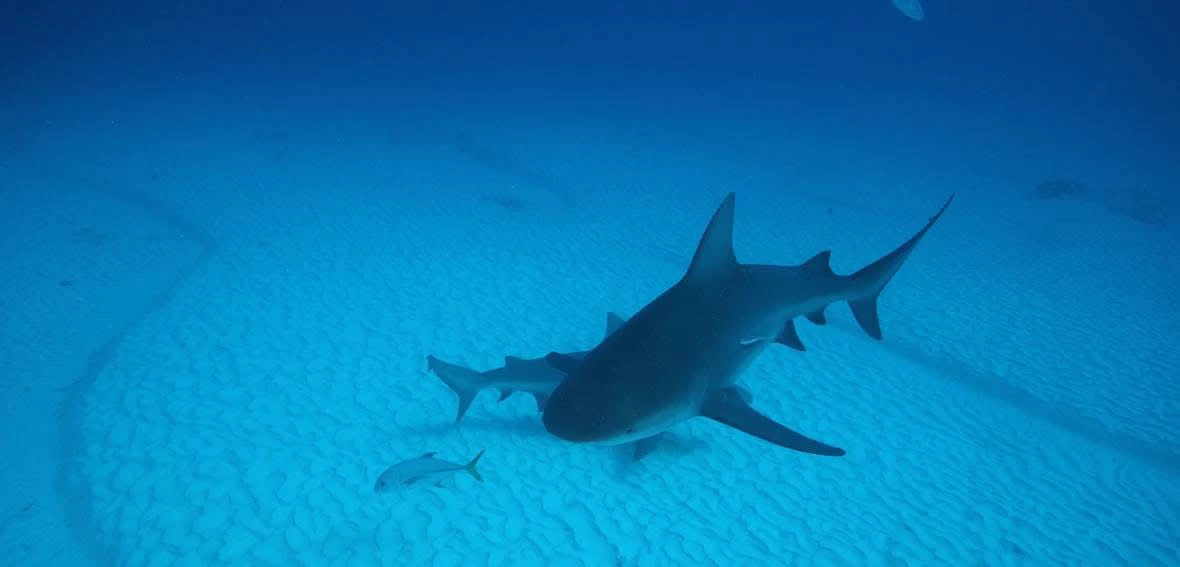
Most operators ask for Advanced Open Water or an equivalent, because the dive reaches roughly 22-28 m and can involve current. Some accept Open Water divers with around 20-25 logged dives, recent diving and good buoyancy. Expect a thorough briefing on shark behavior and positioning.
We run seasonal bull shark dives in small groups. Confirm the exact requirements before booking, since policies vary by operator.
Whale sharks and what to expect
Whale sharks are a snorkeling experience, not a standard dive. We offer whale shark snorkeling tours near Isla Mujeres during the season. No month guarantees a sighting, because weather and sea conditions change, so treat these windows as odds, not promises.
How do you choose a safe dive operator in Playa del Carmen?
When you compare Playa del Carmen dive shops, verify three things before paying: qualified guides, a documented emergency plan and well-maintained equipment. Any good shop will answer these questions without hesitation.
Credentials and guide qualifications to verify
Check that the shop belongs to a recognized agency such as PADI, SSI, NAUI or CMAS, and verify the listing through the agency’s directory. Then confirm the credentials of the specific guide leading your dive, not just the shop’s general affiliations.
Guides should hold current first aid, CPR and emergency oxygen training. For cenotes, ask for the guide’s cavern or cave qualification.
Safety and equipment questions that separate good shops from risky ones
Ask for the maximum diver-to-guide ratio, and for cenote and cavern dives, confirm the site-specific limits and the agency standards your guide follows. Confirm the boat carries emergency oxygen, that there’s a clear evacuation plan and that a hyperbaric chamber is accessible.
Ask when regulators, BCDs and tanks were last serviced. A reputable shop answers clearly. You should also get a site-specific briefing, a check of your certification and medical history, and a shop willing to change the site or refuse a dive that exceeds your experience.
Red flags and how Pluto Dive measures up
Walk away if you see no medical screening, vague briefings, large groups, worn gear or pressure to exceed your certification. Any one of these is reason enough to book elsewhere.
We built Pluto Dive around small groups and personal attention for every diver. We bring more than 20 years of local experience and a full range, from a first dive to cave diving. Ask us every question on this list before you book.
Your next step for scuba in Playa del Carmen
Beginners should start shallow and get certified. Certified divers should pair a reef with a cenote and time a shark season. Divers who want to go past the daylight zone should complete cave training first. Whatever your level, diving here works best when your plan matches your certification.
Before you book anything, confirm depth limits, medical, age and certification requirements with the operator. Then get in touch with our team at Pluto Dive to plan a small-group dive, a PADI course or a seasonal wildlife trip that fits your level.