What Makes Cenote Diving in Playa del Carmen Different from the Rest of the World
What Makes Cenote Diving in Playa del Carmen Different from the Rest of the World
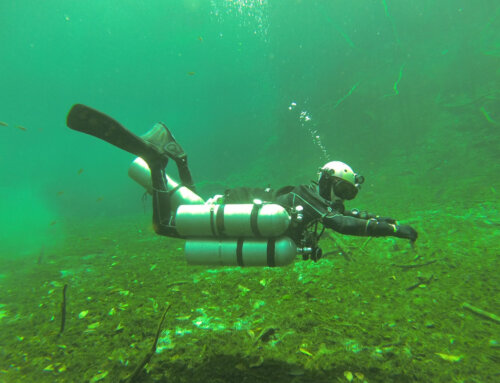
Cenote diving in Playa del Carmen is unlike any other diving experience on Earth. While reefs, wrecks, and wall dives are found across the globe, the flooded cave systems of Mexico’s Yucatán Peninsula offer a completely unique underwater landscape shaped by geology, history, and crystal-clear freshwater.
Here’s what truly makes cenote diving in the Riviera Maya stand apart from every other dive destination.
🌍 A Geological Wonder Millions of Years in the Making
The cenotes of Mexico were formed when limestone bedrock collapsed, revealing vast underground rivers and cave systems. Over time, rainwater filtered through the rock, creating the intricate passages divers explore today. These natural sinkholes are connected to one of the most extensive cave networks on the planet, known as the Sac Actun system — part of the largest underwater cave systems in the world.
Unlike ocean dives shaped by currents and coral growth, cenote diving takes you through a submerged geological museum carved by time itself.
💎 Visibility That Feels Unreal
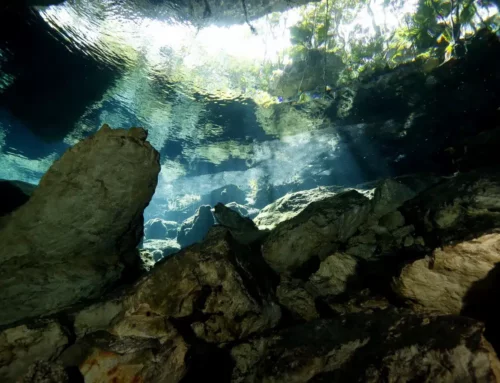
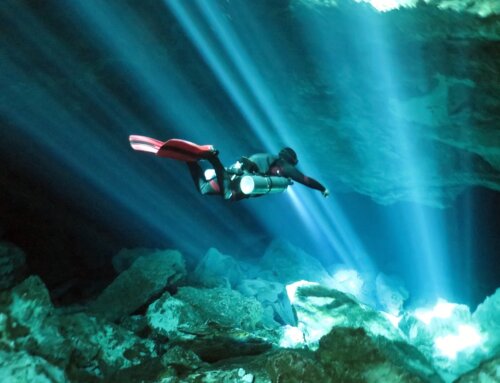
Ocean visibility is often considered “good” at 20–30 meters. In cenotes, visibility can exceed 50 meters thanks to filtered freshwater and minimal movement. This creates a floating sensation that feels more like flying than diving.
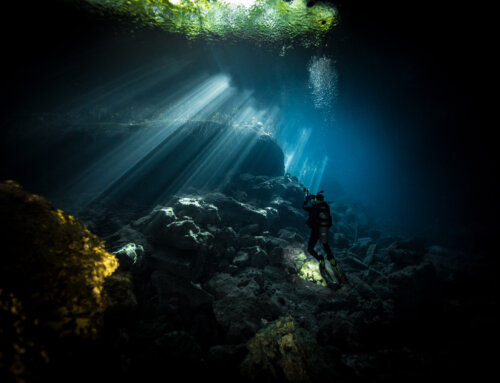
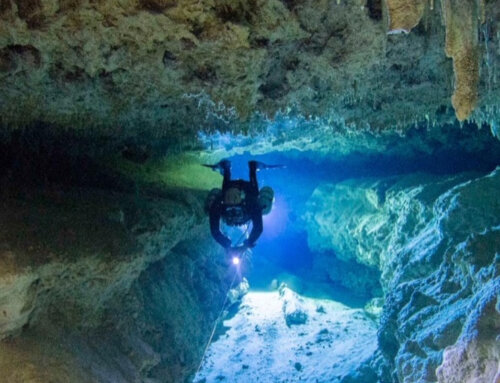
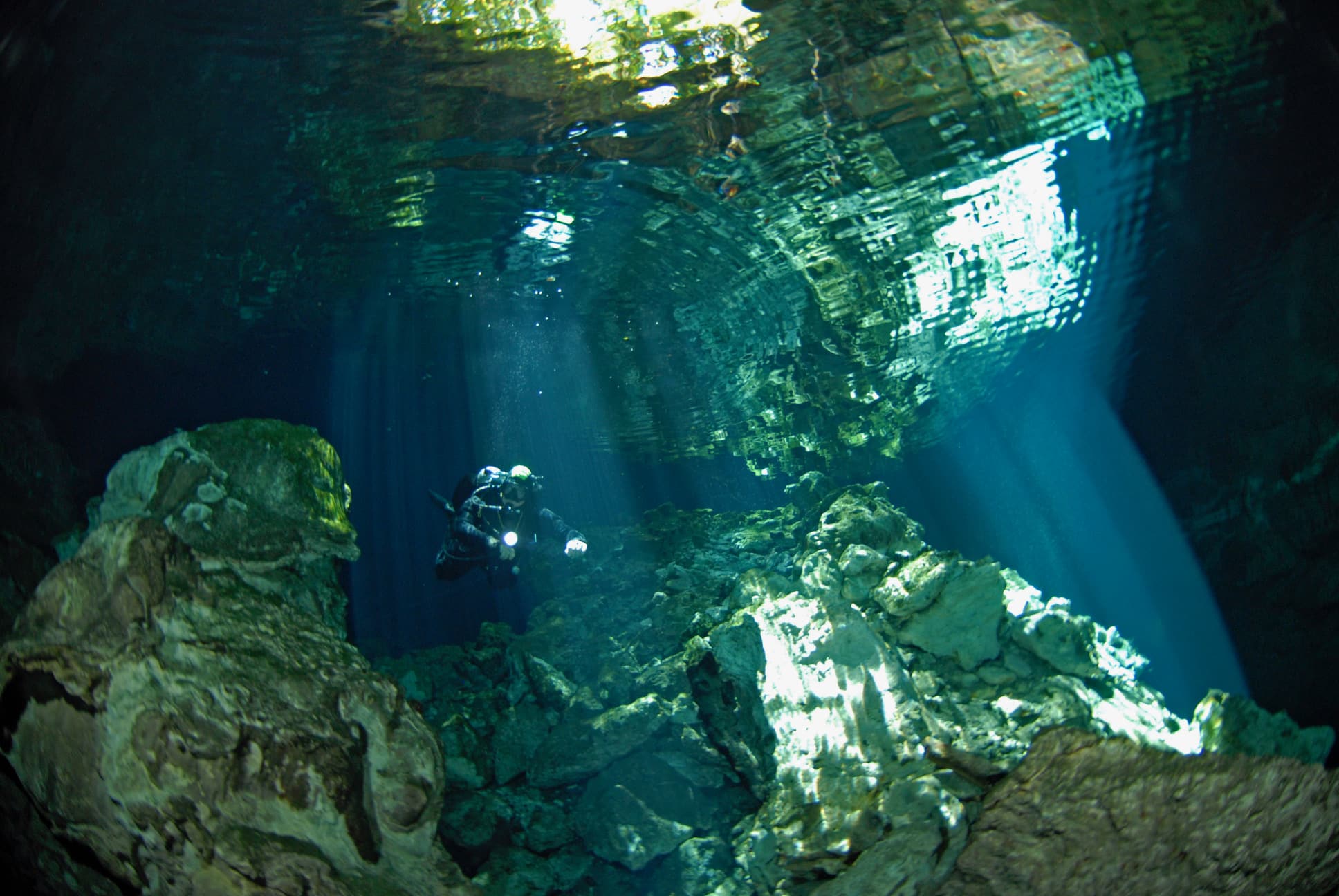
The water is so clear that beams of sunlight penetrate the cavern zones, creating dramatic light effects that have made the region famous for cenote underwater photography.
💧 The Halocline Effect
One of the most surreal features of cenote diving is the halocline. This visual distortion happens where freshwater meets saltwater, creating a shimmering, dreamlike effect underwater. As you move through it, your vision can appear blurred or wavy — like looking through heat waves.
This unique visual phenomenon is known as the halocline phenomenon and is rarely experienced in typical ocean diving.
🪨 Ancient Formations You Can’t Find on Reefs
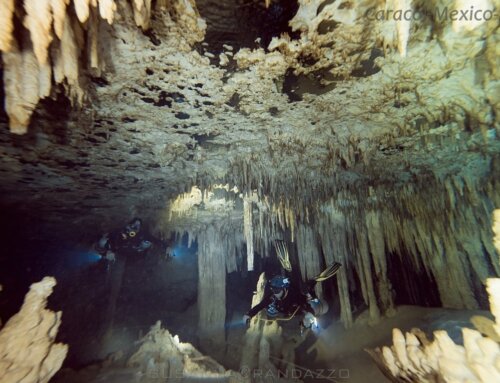
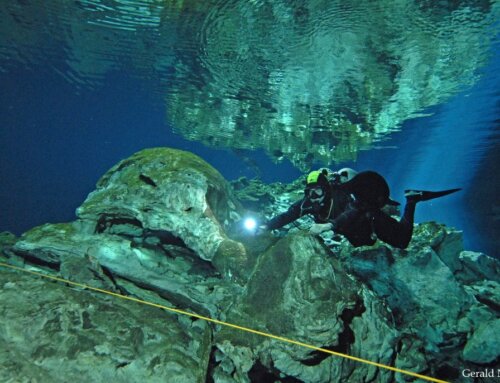
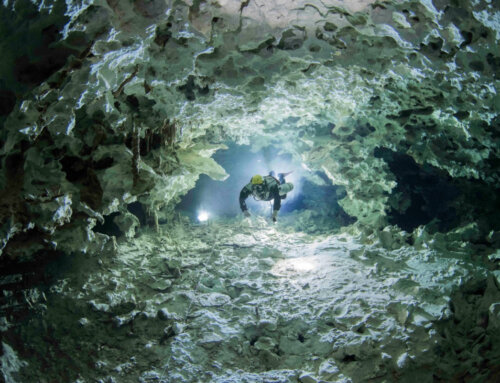
Reef dives showcase marine life, but cenote dives reveal prehistoric rock formations. Inside the caverns, divers see stalactites, stalagmites, and columns that formed thousands of years before the caves were flooded. These formations are fragile and irreplaceable, preserved in still freshwater with no waves or surge.
Swimming through these silent chambers feels more like exploring a cathedral than a dive site.
🌿 A Protected and Fragile Ecosystem
Cenotes are part of a delicate freshwater system that supports both jungle wildlife and coastal reefs. Because of their environmental importance, many cenotes fall within the protected ecosystem of the Riviera Maya and require responsible diving practices.
At Pluto Dive, we follow strict conservation guidelines to ensure these environments remain untouched for future generations.
🤿 Guided, Controlled, and Safe for Certified Divers
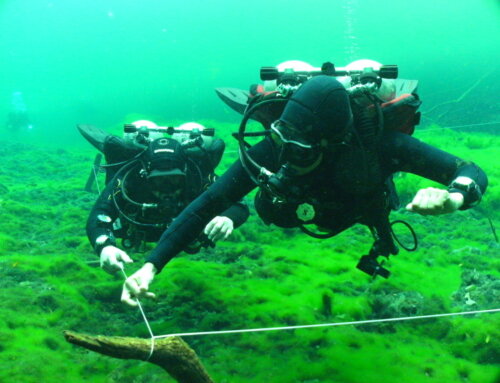
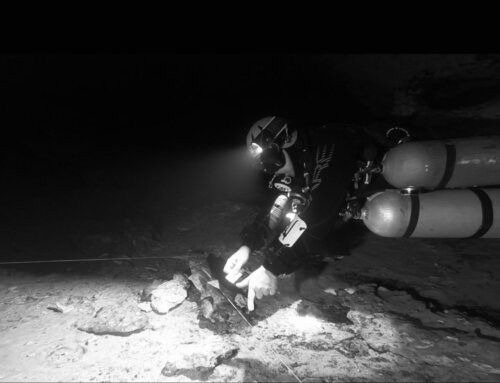
Unlike technical cave diving, most cenote dives offered in Playa del Carmen are cavern dives. This means divers always remain within the natural light zone and follow strict safety protocols with a certified guide.
With calm water, no currents, and controlled conditions, cenote diving is accessible to Open Water certified divers, making it one of the most extraordinary yet approachable dive experiences in the world.
🌎 Nowhere Else Like It
You can dive coral reefs in dozens of countries. You can explore wrecks in many oceans. But nowhere else offers this combination of:
✔️ Crystal-clear freshwater
✔️ Ancient flooded cave systems
✔️ Dramatic light beams
✔️ Halocline visual effects
✔️ Prehistoric rock formations
That’s why cenote diving in Playa del Carmen isn’t just another dive — it’s an experience found nowhere else on Earth.
📩 Ready to Experience It Yourself?
Join Pluto Dive for a guided cenote diving tour and discover the hidden underground world of the Riviera Maya. Whether it’s your first cavern dive or one of many, this is an adventure you will never forget.
Contact us today to plan your cenote diving experience in Playa del Carmen.